
CoLABOR is the Collaborative Laboratory for Labor, Employment and Social Protection.
The project aims to assess the impact of vocational training, lifelong learning, and the processes of skills validation and certification on the alignment between the supply and demand for qualifications and skills, as well as on business performance.
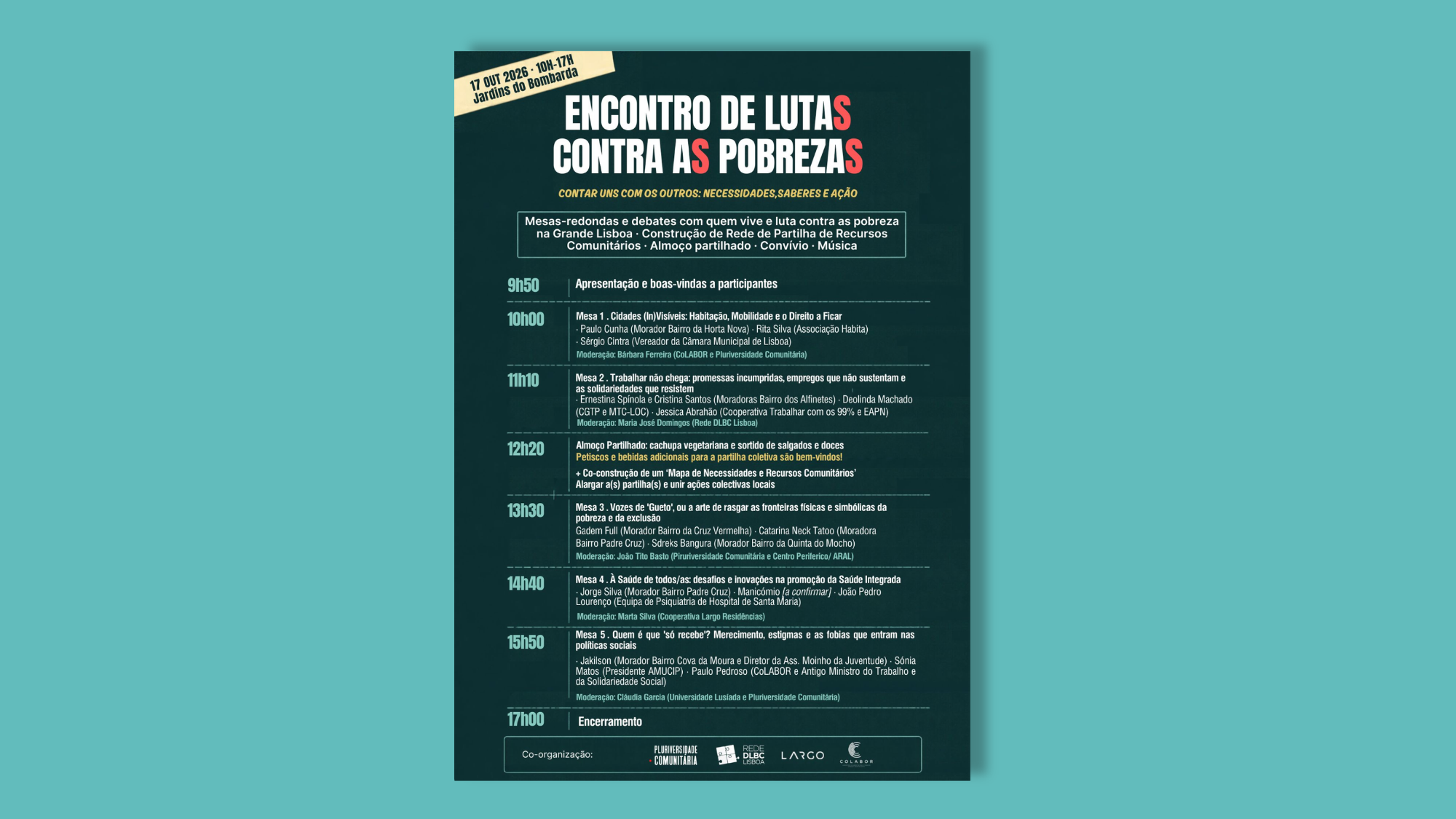
CoLABOR is partnering with Pluriversidade Comunitária, Rede DLBC Lisboa, and LARGO Residências for this event, which highlights the participation of people directly affected by poverty and the sharing of knowledge as contributions to the development of collective responses.
The phase-out of coal in Portugal in 2021 was celebrated politically as a milestone in climate leadership.
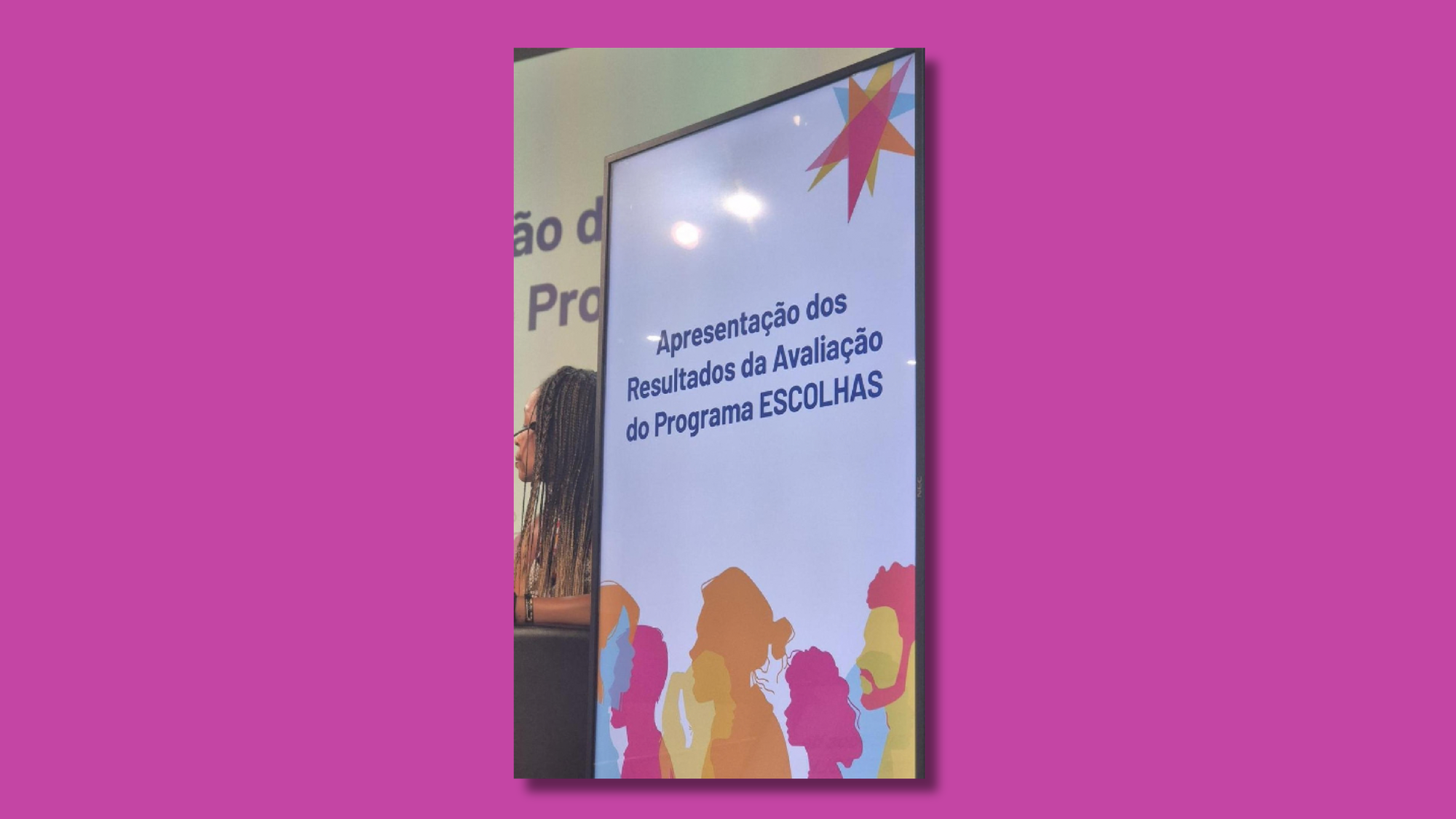
The session marked the conclusion of a year of work by the CoLABOR team and serves as an example of how research and knowledge production can contribute to the analysis, evaluation, and formulation of evidence-based public policies, bridging the gap between scientific knowledge and public decision-making and action.

We look forward to your visit and participation at the National Museum of Natural History and Science.
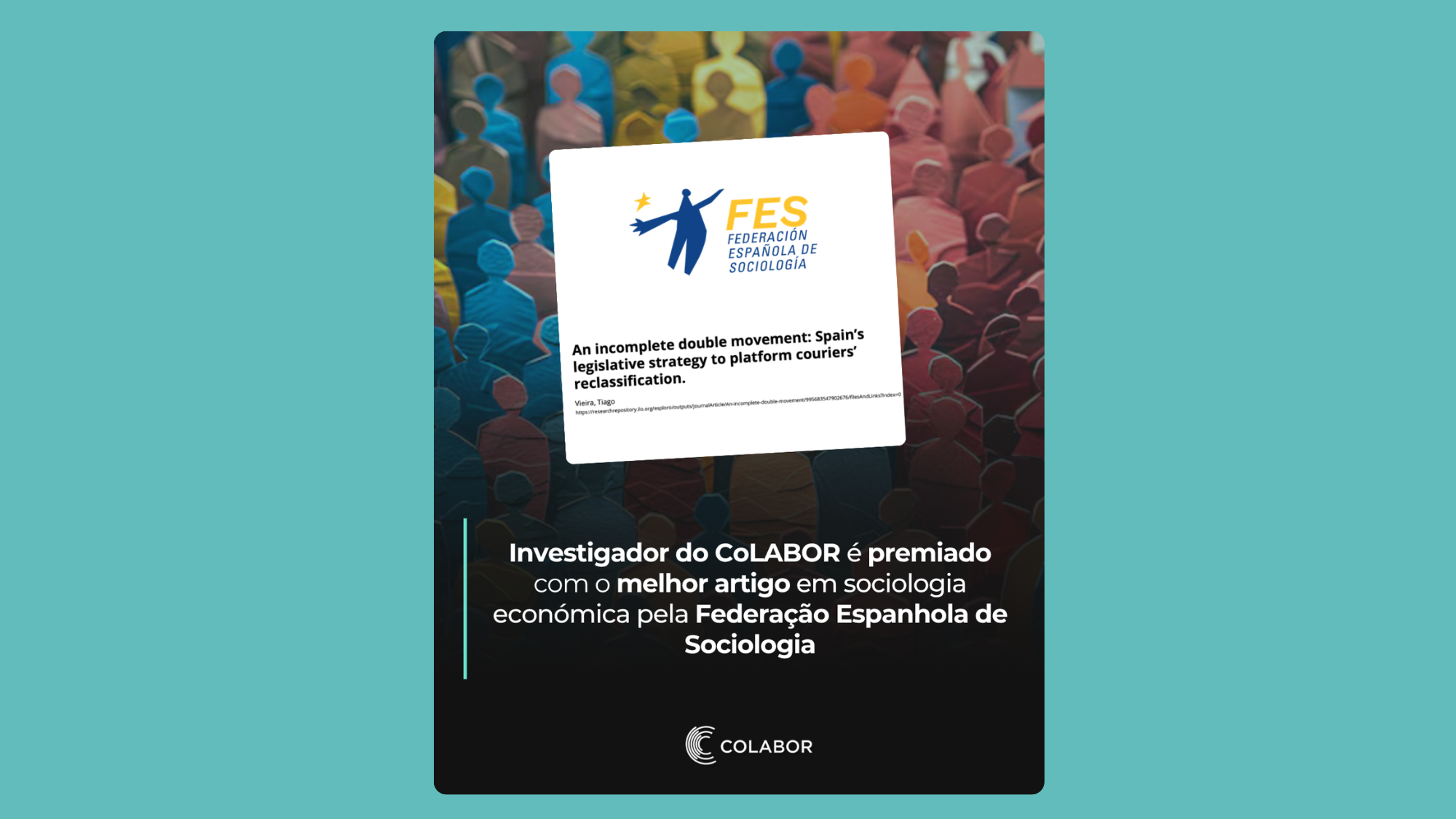
The article is available as open access in English, French, and Spanish.
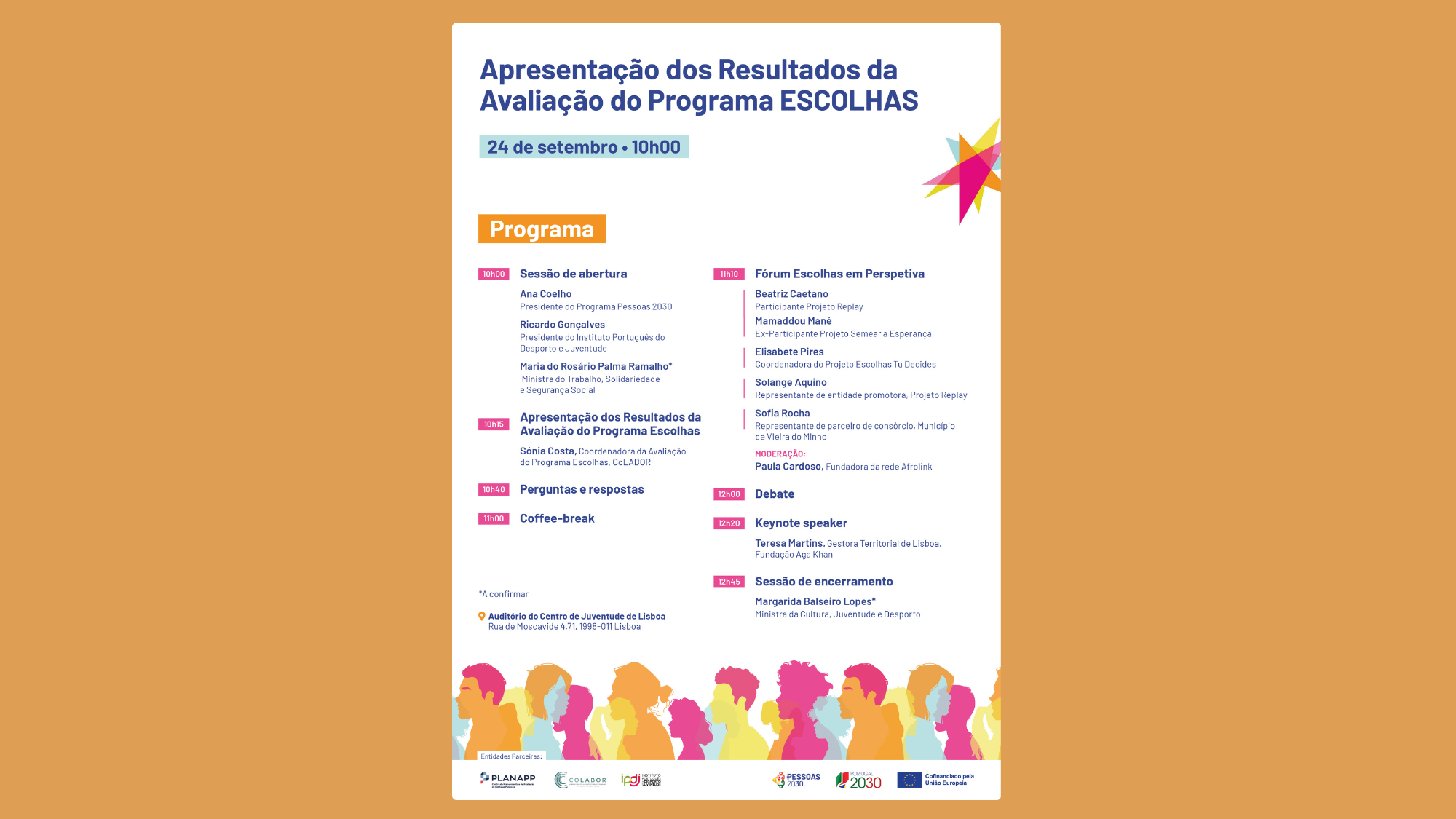
The results of this assessment will be presented publicly on September 24, between 9:45 a.m. and 1:00 p.m., in the auditorium of the Lisbon Youth Center in Moscavide.
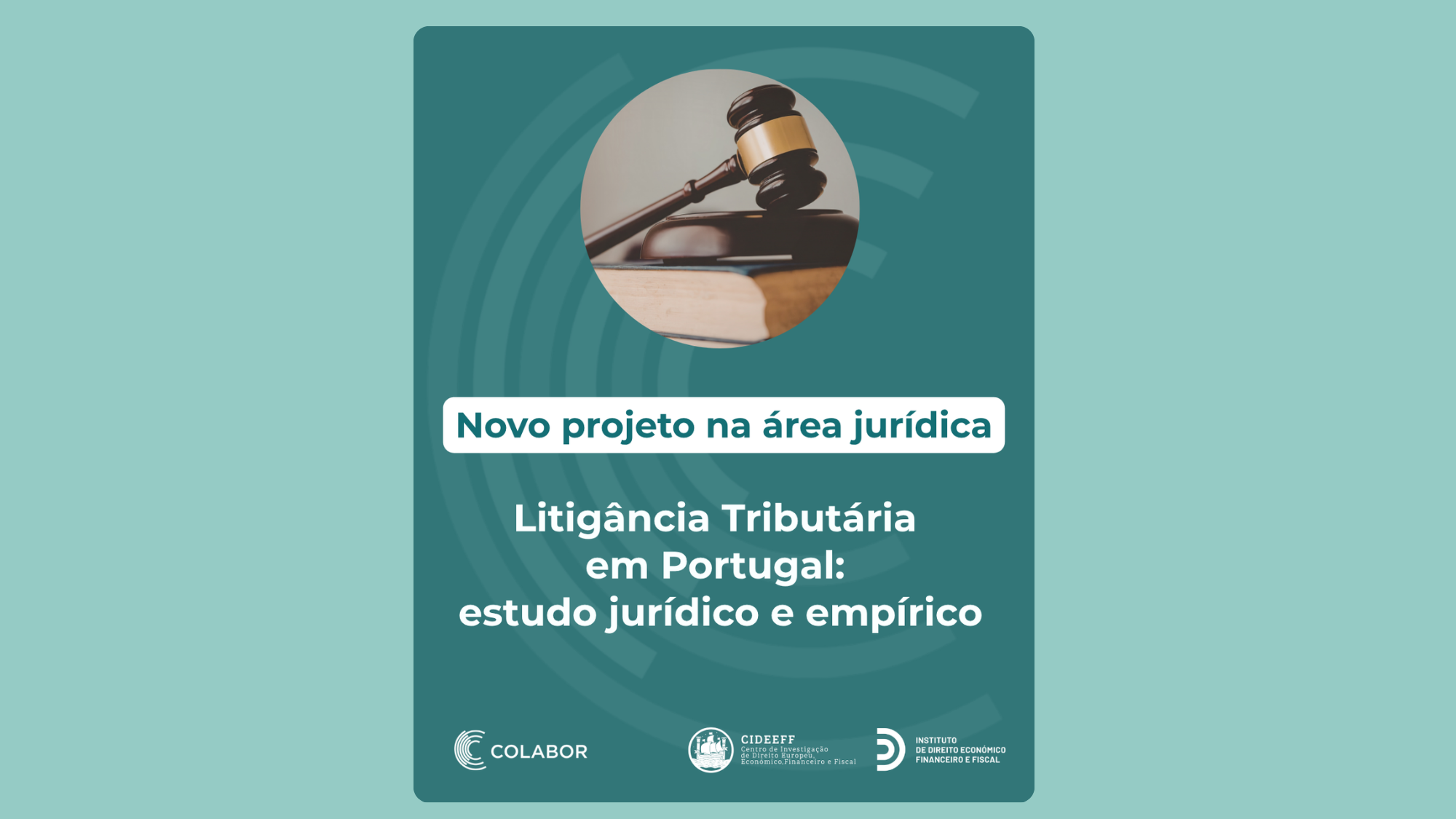
The initiative aims to support the analysis of the case law of the Supreme Administrative Court (STA) by automatically extracting structured information from its rulings using artificial intelligence models.

In the IPPS-Iscte report, *The State of the Nation and Public Policies 2026*, João Vasco Lopes analyzes the challenges of adopting artificial intelligence in Portugal, highlighting the constraints faced by the business community and the challenges of the National Artificial Intelligence Agenda.
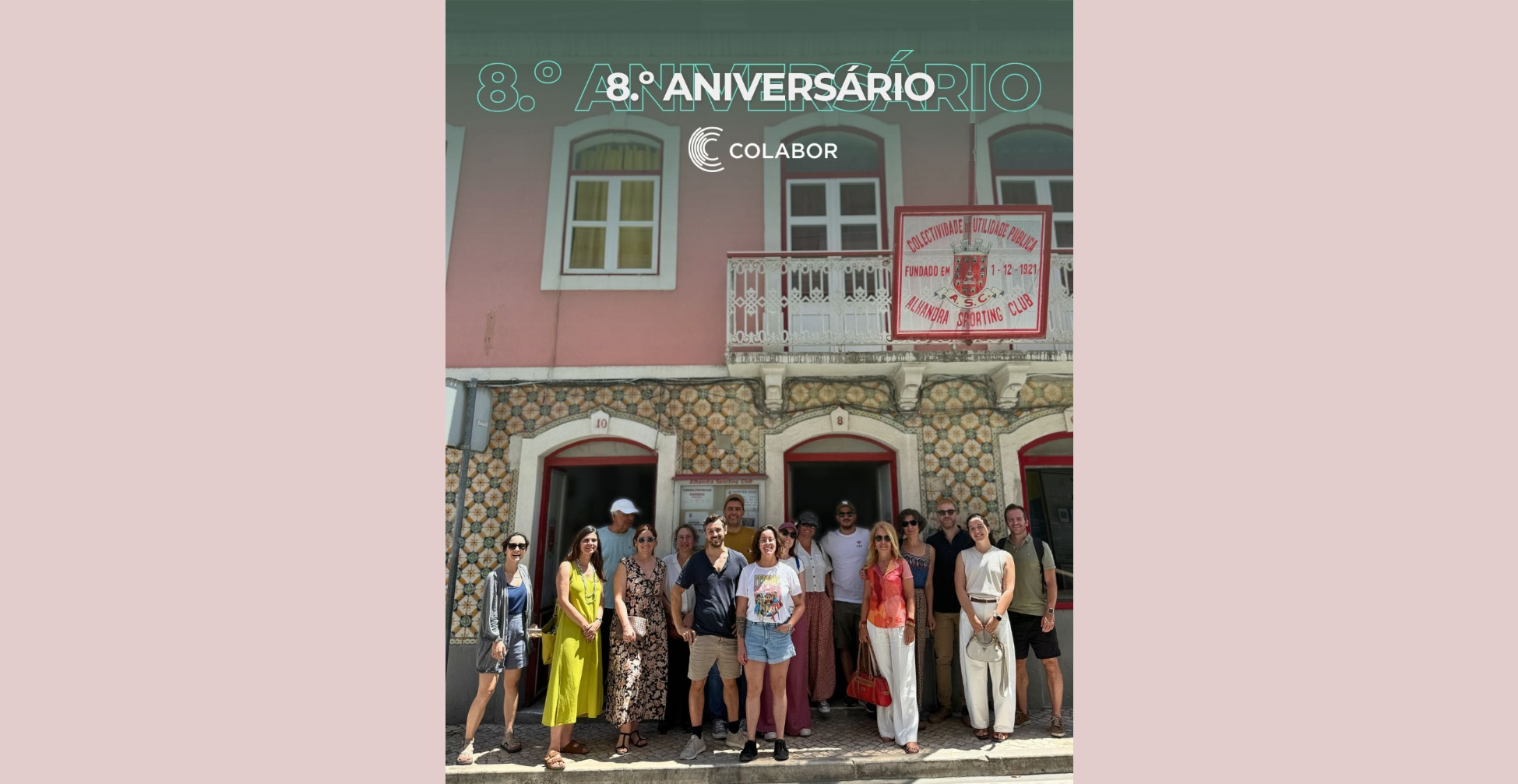
On its 8th anniversary, CoLABOR marked the occasion with a guided tour of Alhandra, revisiting the town’s industrial and labor history.
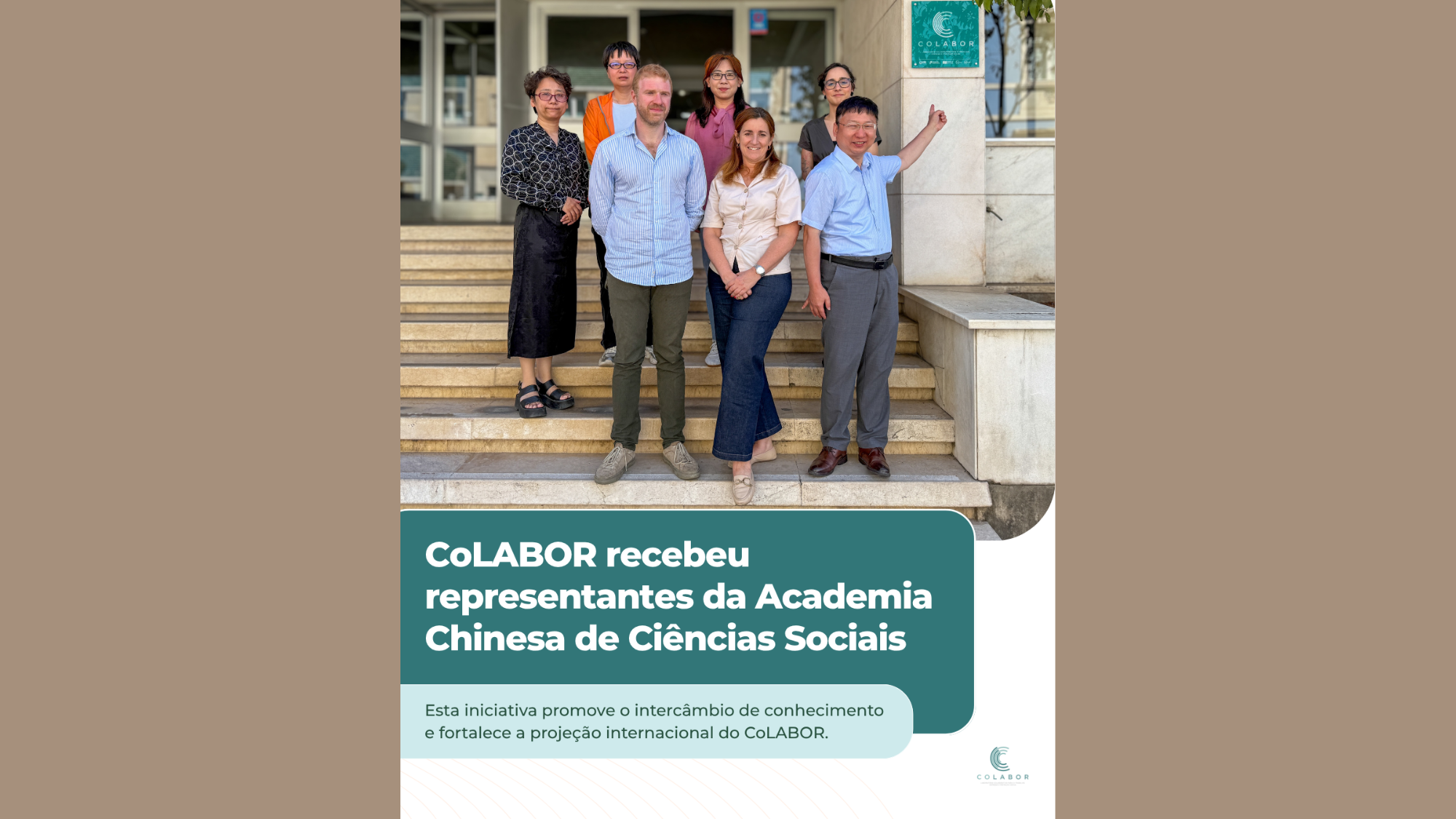
This initiative is part of CoLABOR’s internationalization strategy, helping to strengthen scientific cooperation networks and promote dialogue with leading international institutions.
Watch the video of the entire session here.
CoLABOR was selected to conduct an evaluation of the Local Social Development Contracts (CLDS) program, promoted by the Agency for Development and Cohesion, I.P. (AD&C), as part of the Portugal 2030 Comprehensive Evaluation Plan.
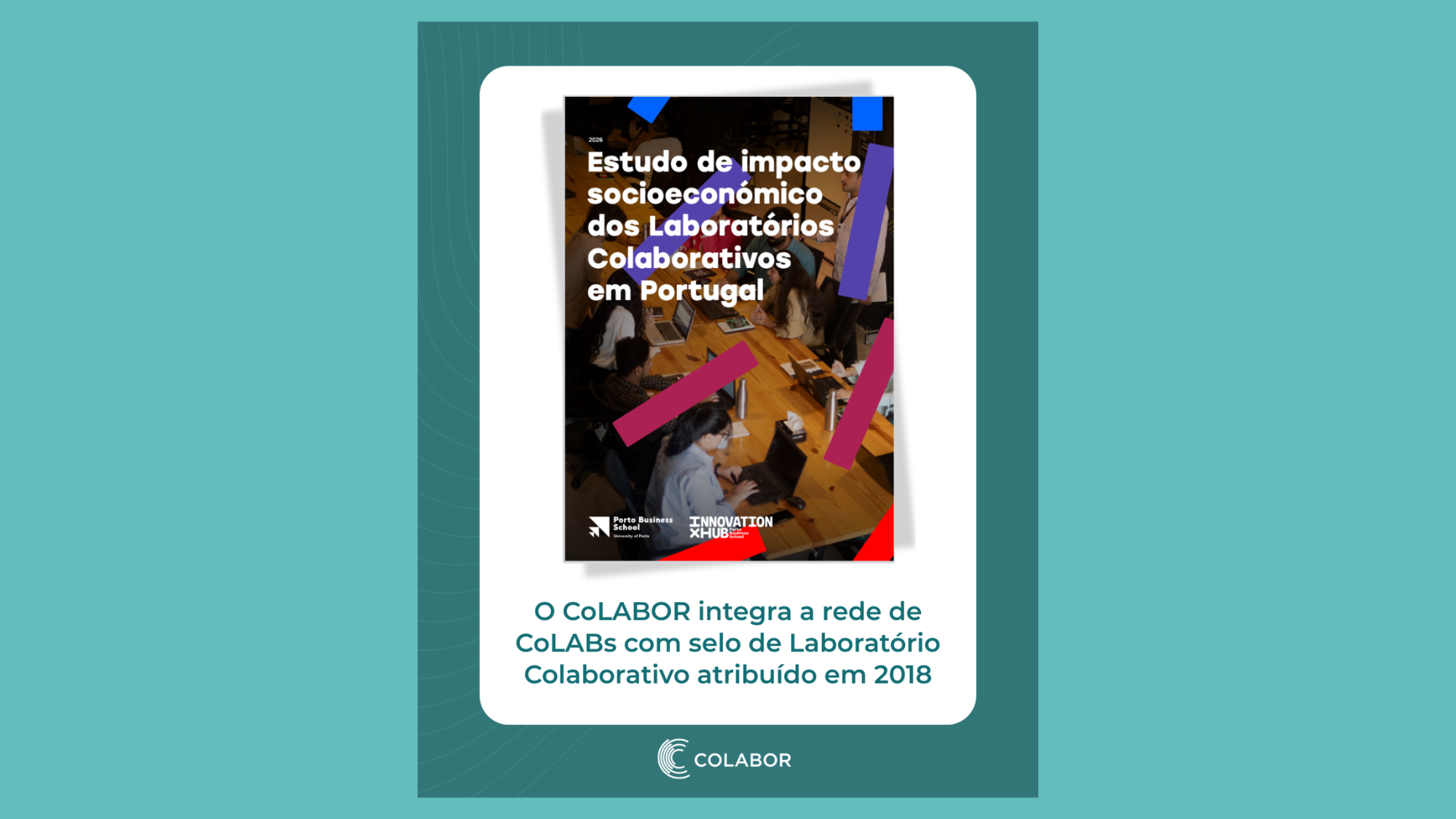
CoLABOR has been part of this network since its inception in 2018 and continues to hold the Collaborative Laboratory designation awarded by the Foundation for Science and Technology.
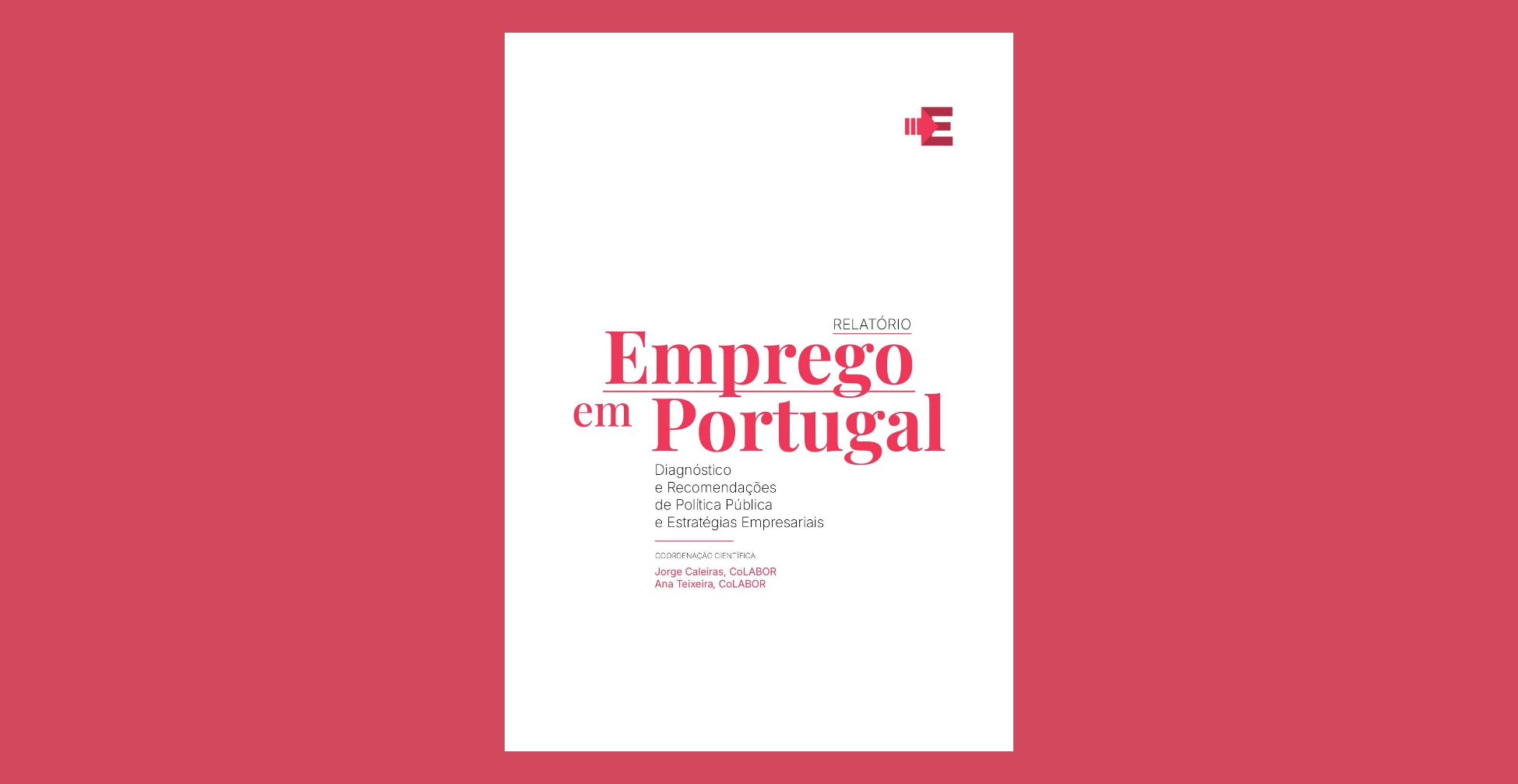
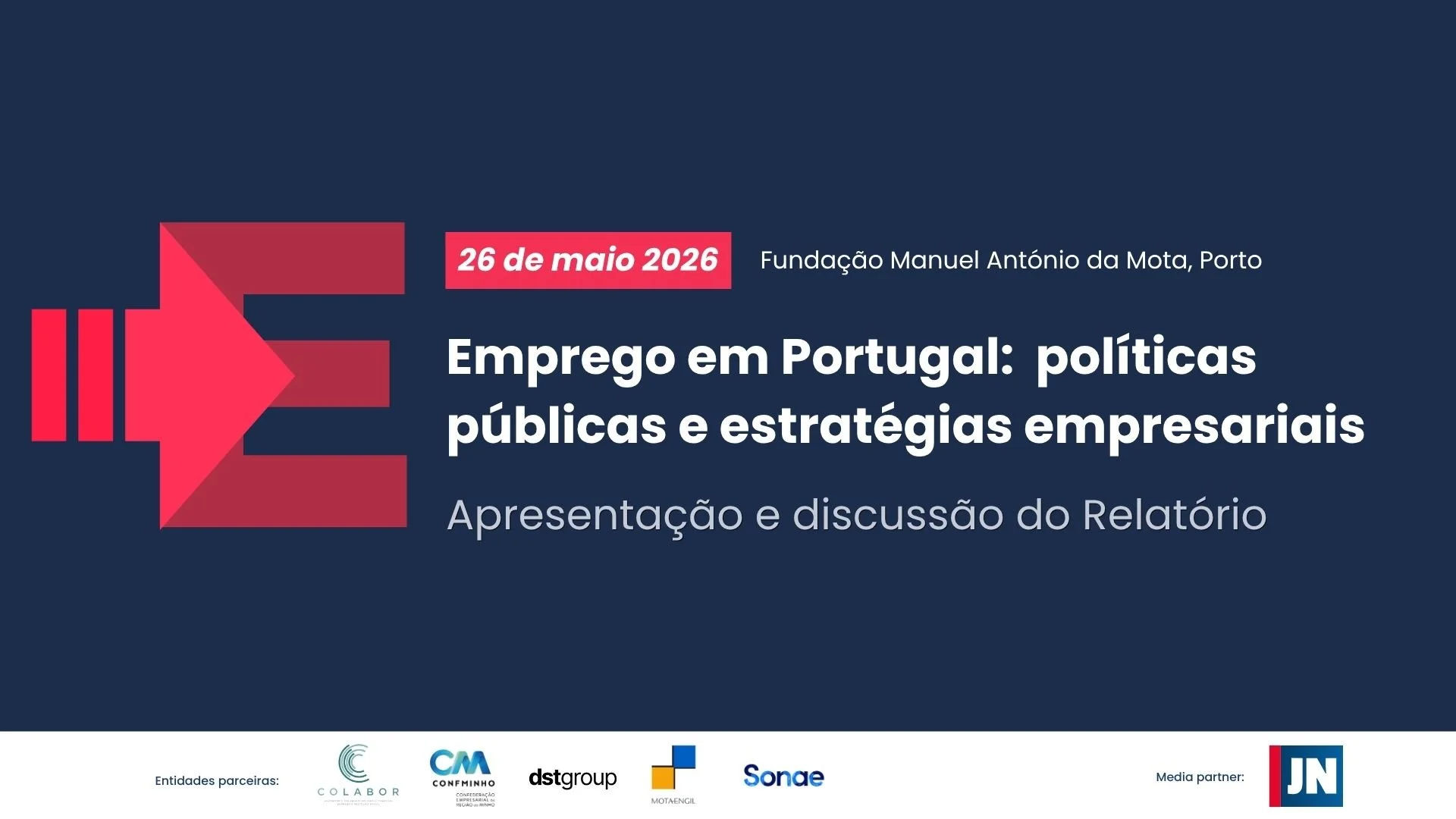
CoLABOR, in partnership with the Minho Region Business Confederation, DST Group, Mota-Engil, and Sonae, along with its members, is presenting the report today Employment in Portugal – Diagnosis and Recommendations for Public Policy and Business Strategies
On May 26, at 2:30 p.m., in Porto, at the Manuel António da Mota Foundation Auditorium, there will be a presentation of the report *Employment in Portugal: Public Policies and Business Strategies*, followed by a discussion with experts.
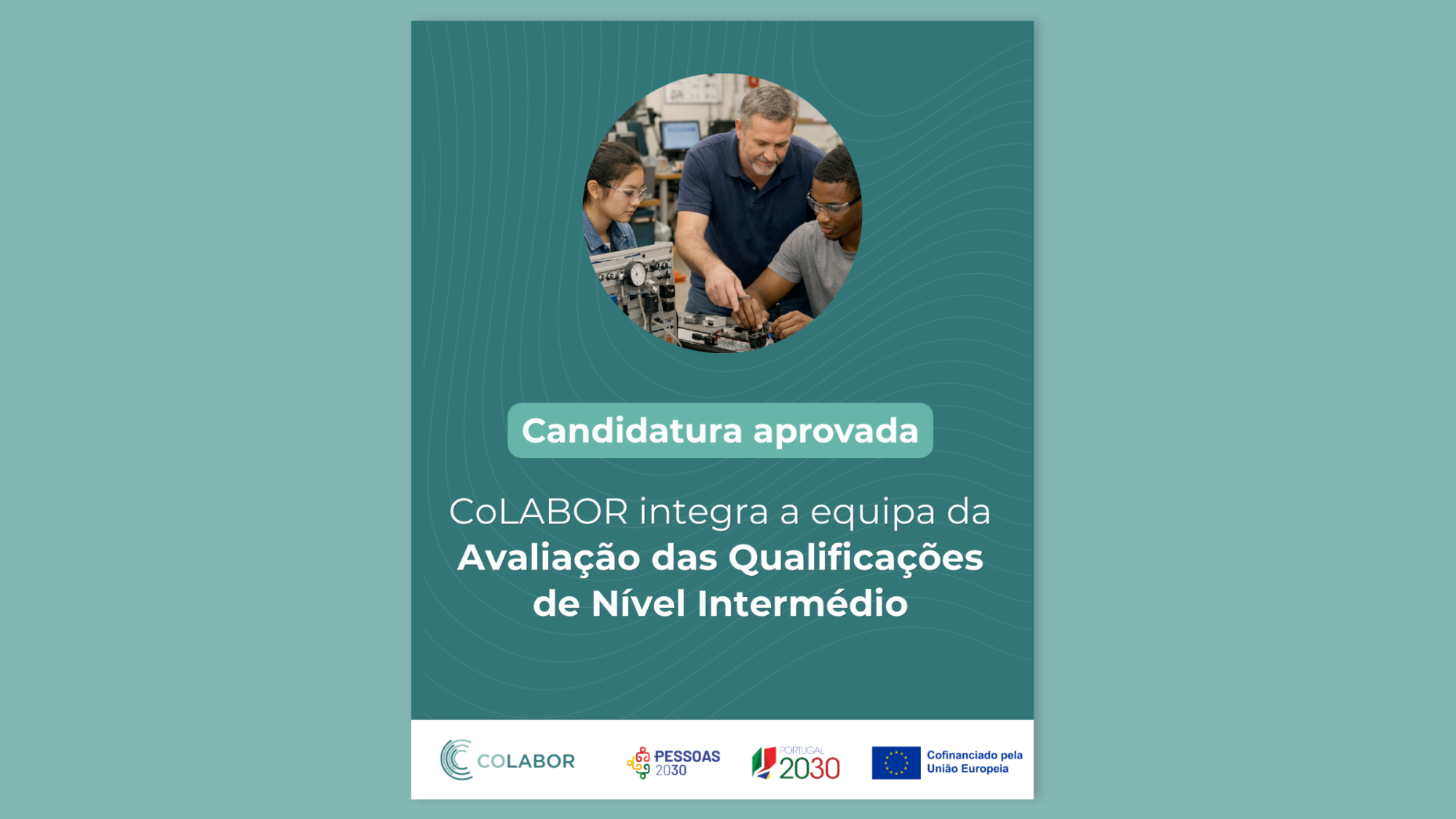
The evaluation, expected to last 12 months, will analyze the effects of the program’s interventions over time with the aim of informing management, planning, and public policy decisions.
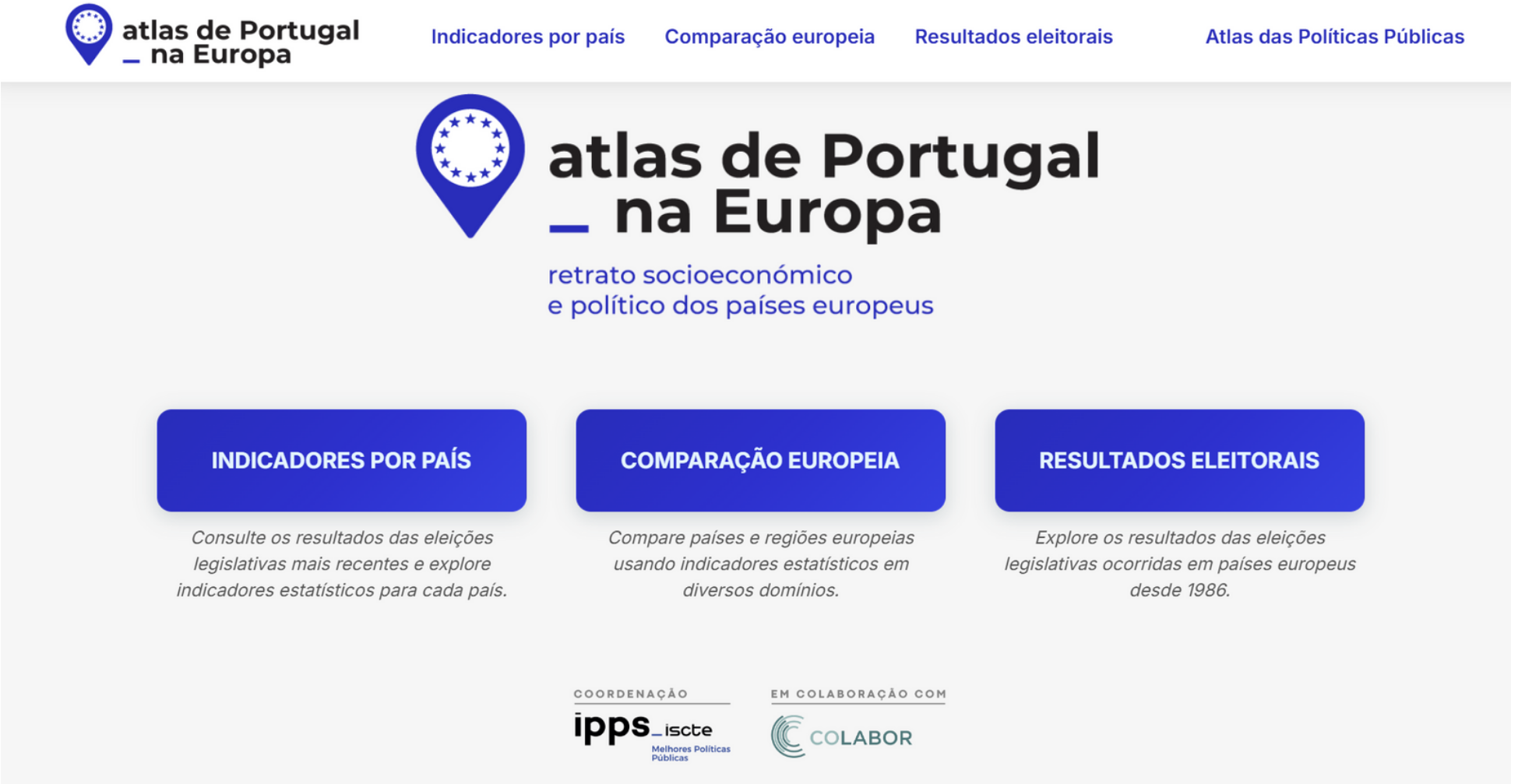
The launch of the “Atlas of Portugal in Europe” precedes the celebrations for Europe Day, observed on May 9, and also marks the 40th anniversary of Portugal’s accession to the European Economic Community (EEC), now the European Union (EU).
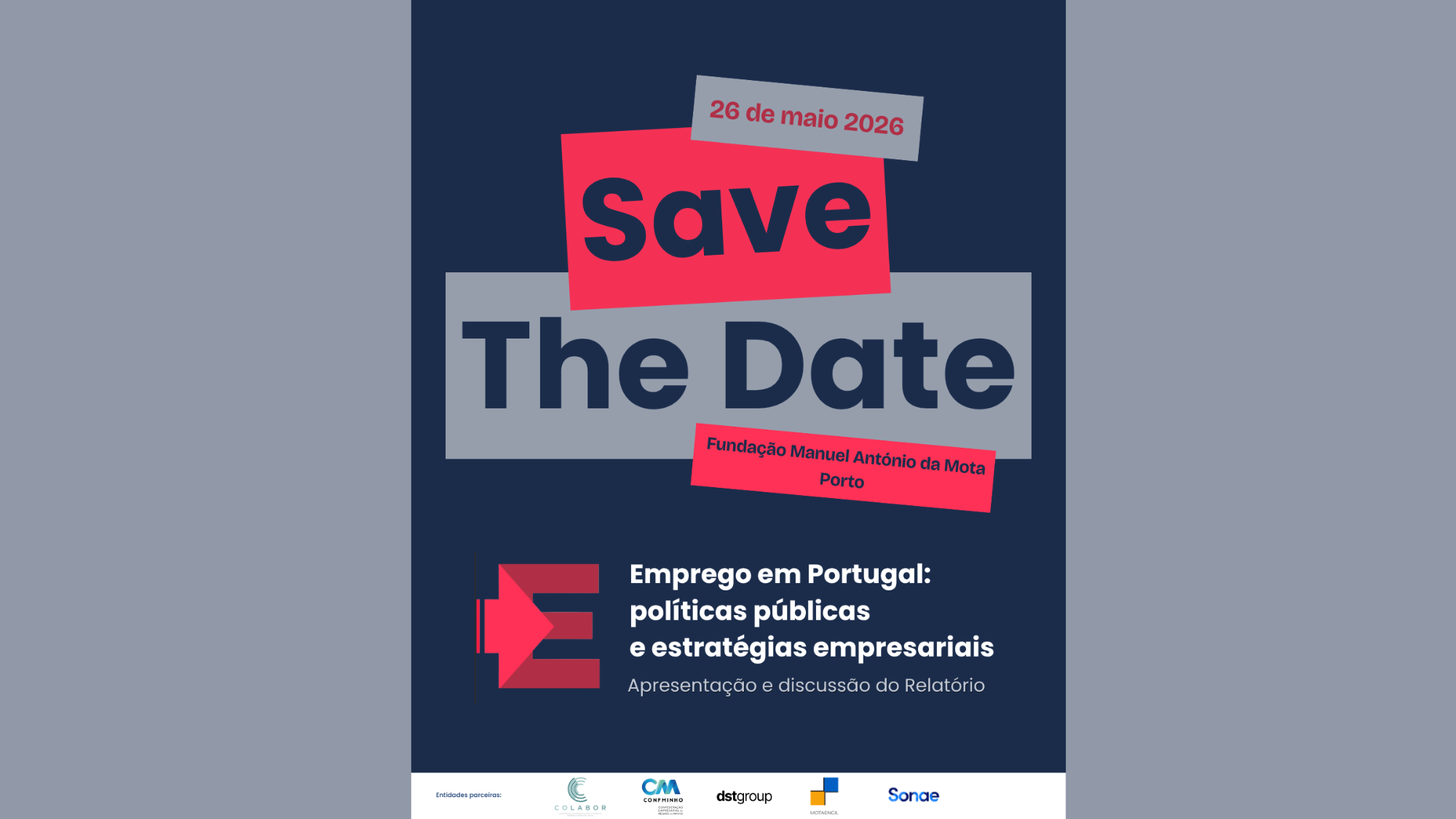
On May 26, at 2:30 p.m., in Porto, at the Manuel António da Mota Foundation Auditorium, there will be a presentation of the report *Employment in Portugal: Public Policies and Business Strategies*, followed by a discussion with experts.
Between April 2026 and March 2027, CoLABOR will be responsible for developing an information management system focused on gender-based and domestic violence in São Tomé and Príncipe.
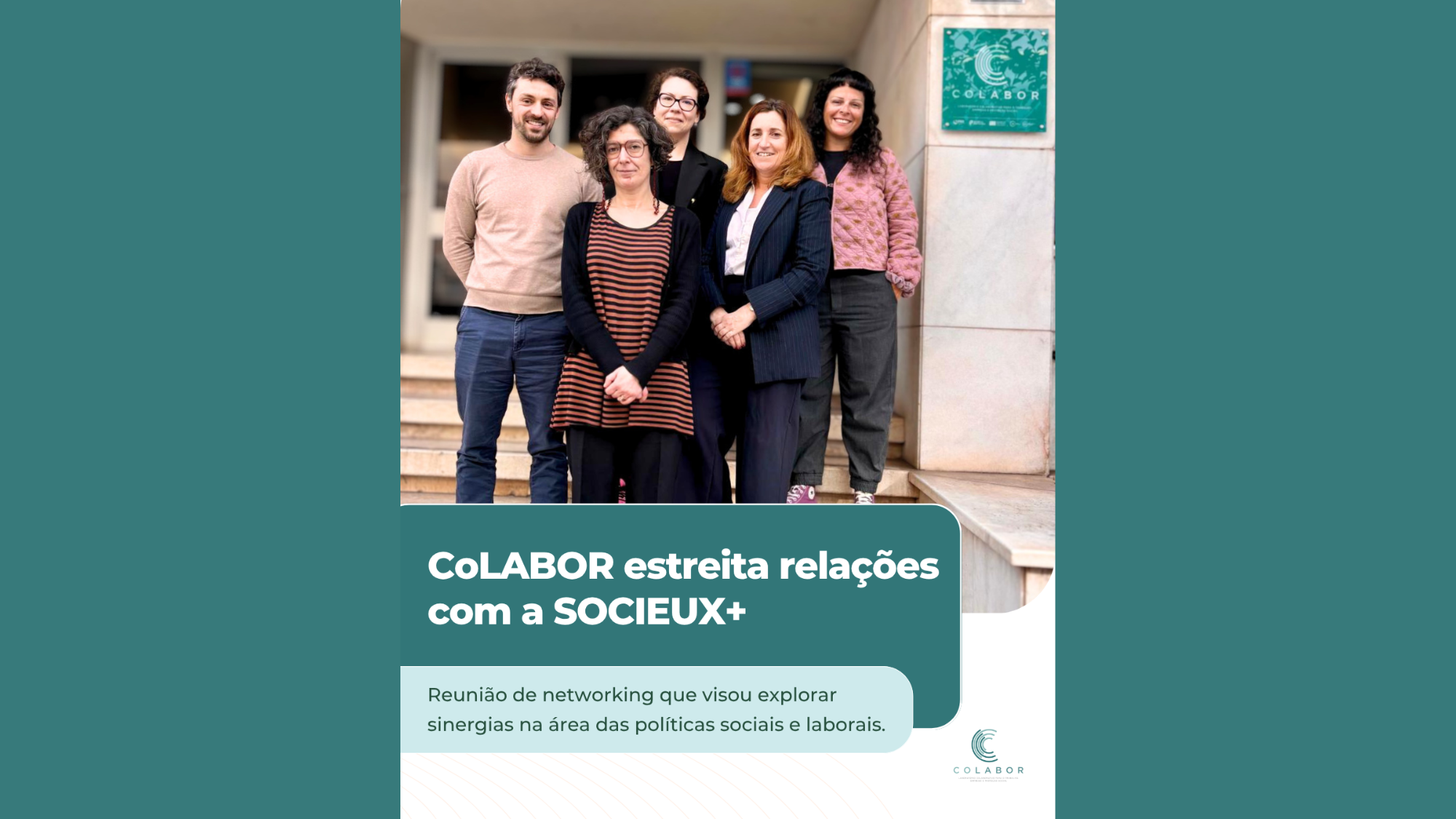
This meeting underscores CoLABOR’s commitment to the exchange of knowledge and best practices in the field of social and labor policies.
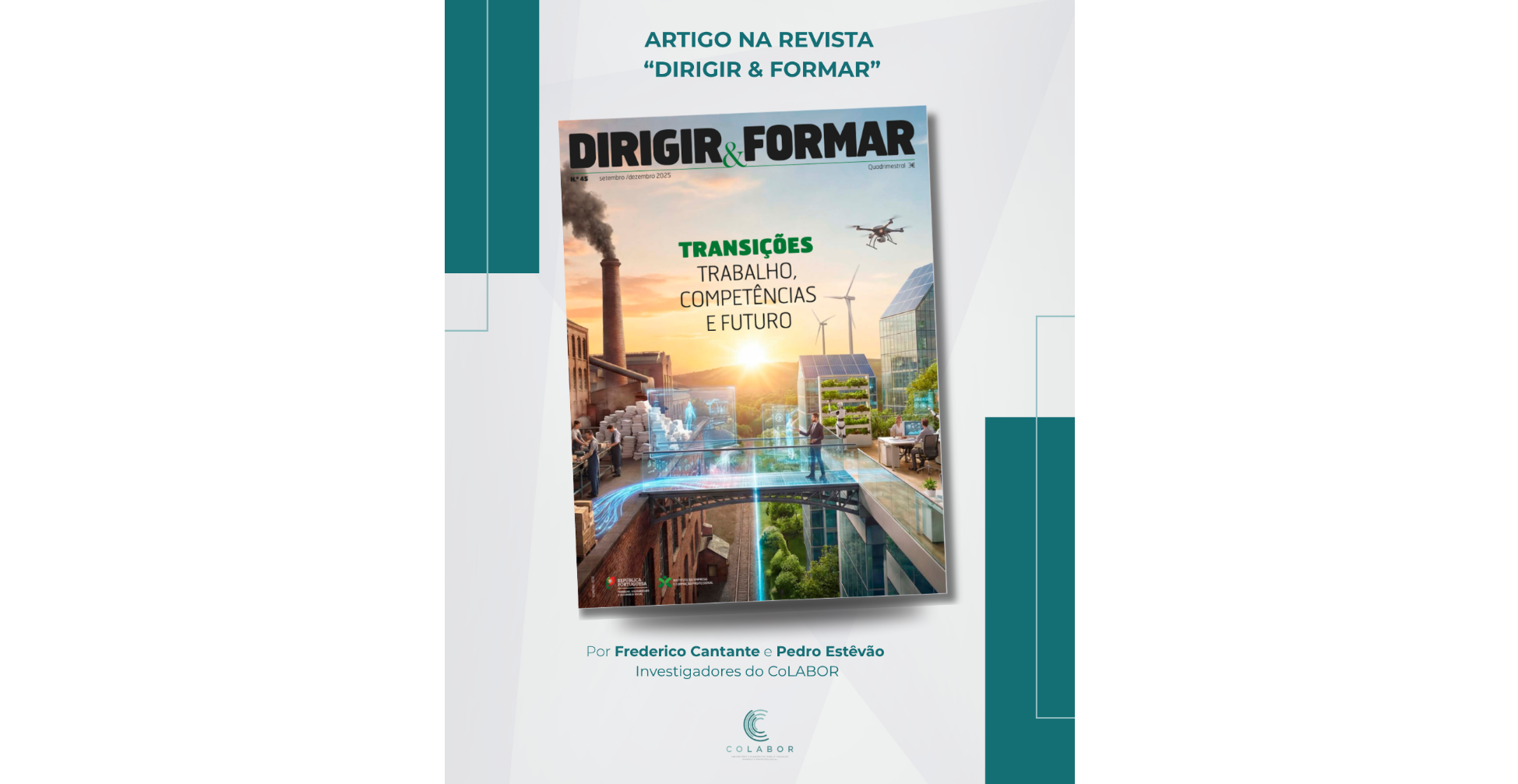
CoLABOR contributes to the latest issue of the magazine Dirigir & Formar, dedicated to the theme “Transitions, Work, Skills, and the Future,” with the article “Green Transition and Inequalities,” authored by Frederico Cantante and Pedro Estêvão.
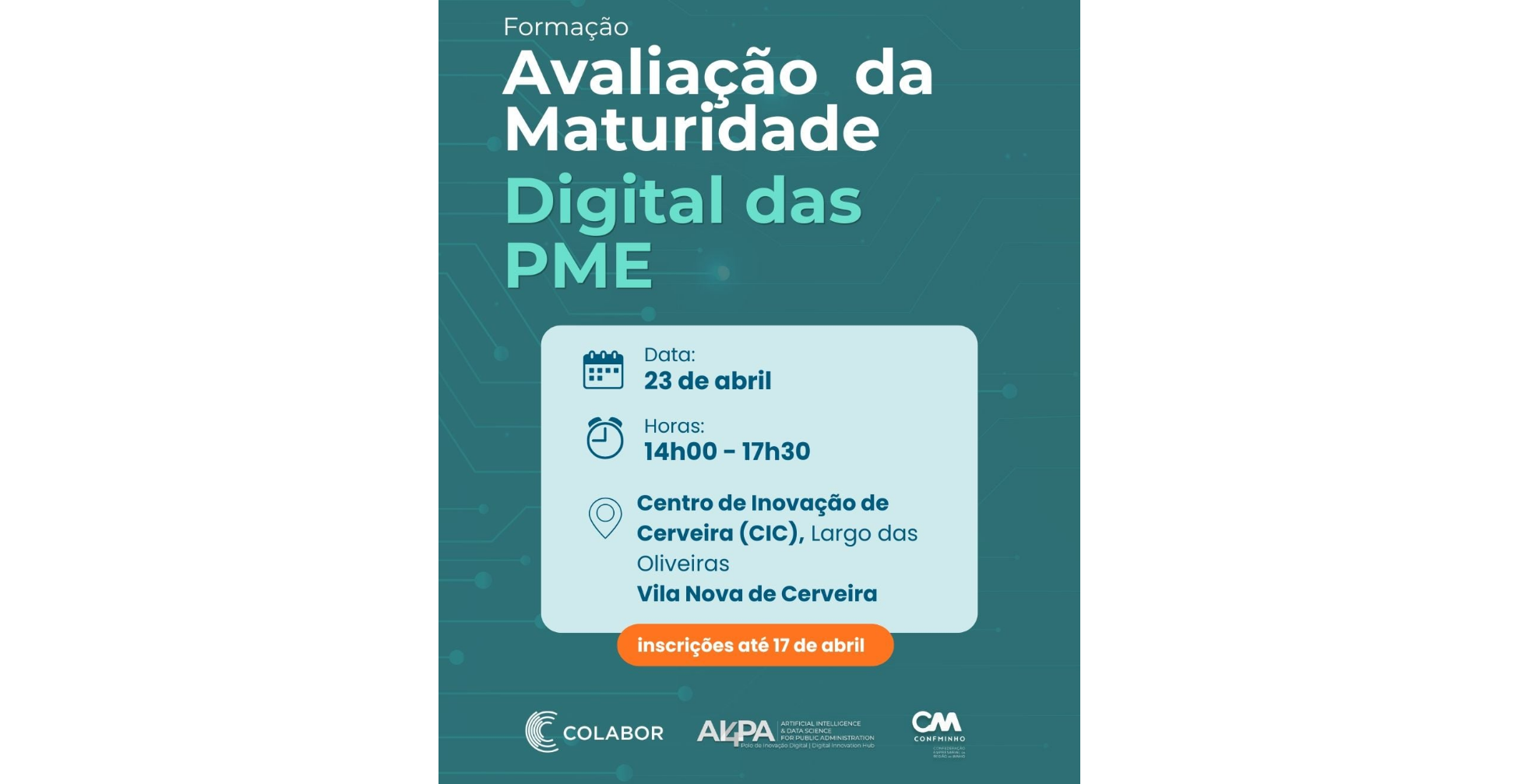
With a practical and strategic approach, the training will enable SMEs to identify challenges, set priorities, and align decisions in the digital transformation process, thereby strengthening their ability to adapt in an increasingly competitive and innovation-driven environment.
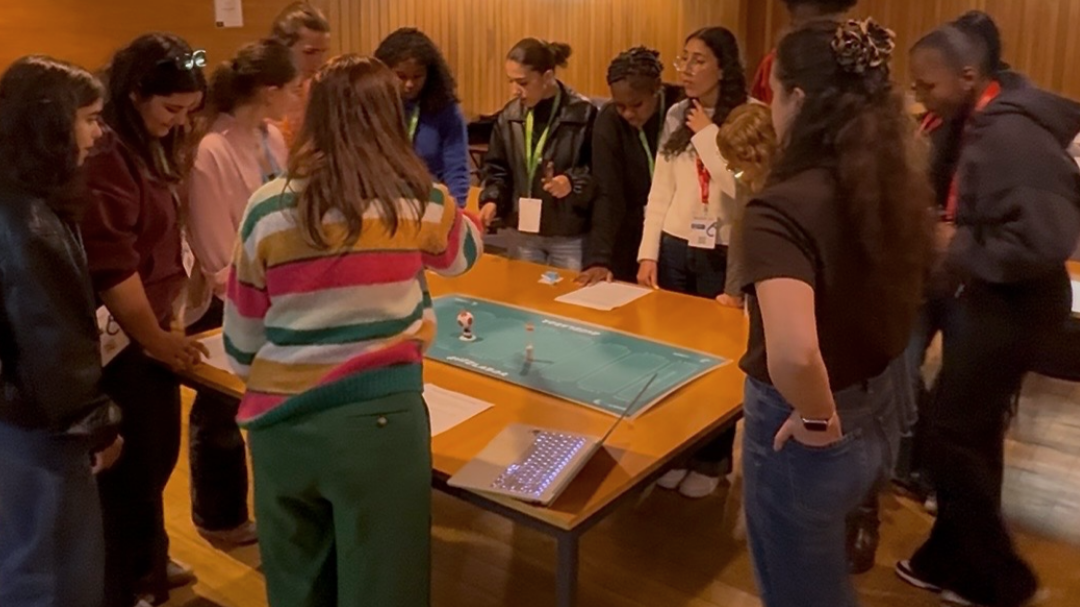
QuizLABOR is an interactive game designed to raise awareness of social and economic realities in Portugal and Europe using statistical data available on the platform DataLABORplatform, developed by CoLABOR.
The policy brief was authored by the CoLABOR research team—Frederico Cantante (project coordinator), Pedro Estevão, Franco Tomassoni, Sara Nunes, and Tânia Almeida—as well as Ricardo Moreira, a researcher at the Institute of Social Sciences at the University of Lisbon, and researcher Vera Ferreira.
The second edition of the IPPS-Iscte Masterclass Series, “Making Better Decisions with Artificial Intelligence in the Public Sector,” was designed to help professionals in leadership, technical, and decision-making roles within the public administration understand and apply data, data science, and artificial intelligence as tools to support public decision-making.
TheEIPM 2.0project aims to strengthen the systematic use of scientific evidence in the design and evaluation of public policies, with a particular focus on the challenges associated with the dual green and digital transition.
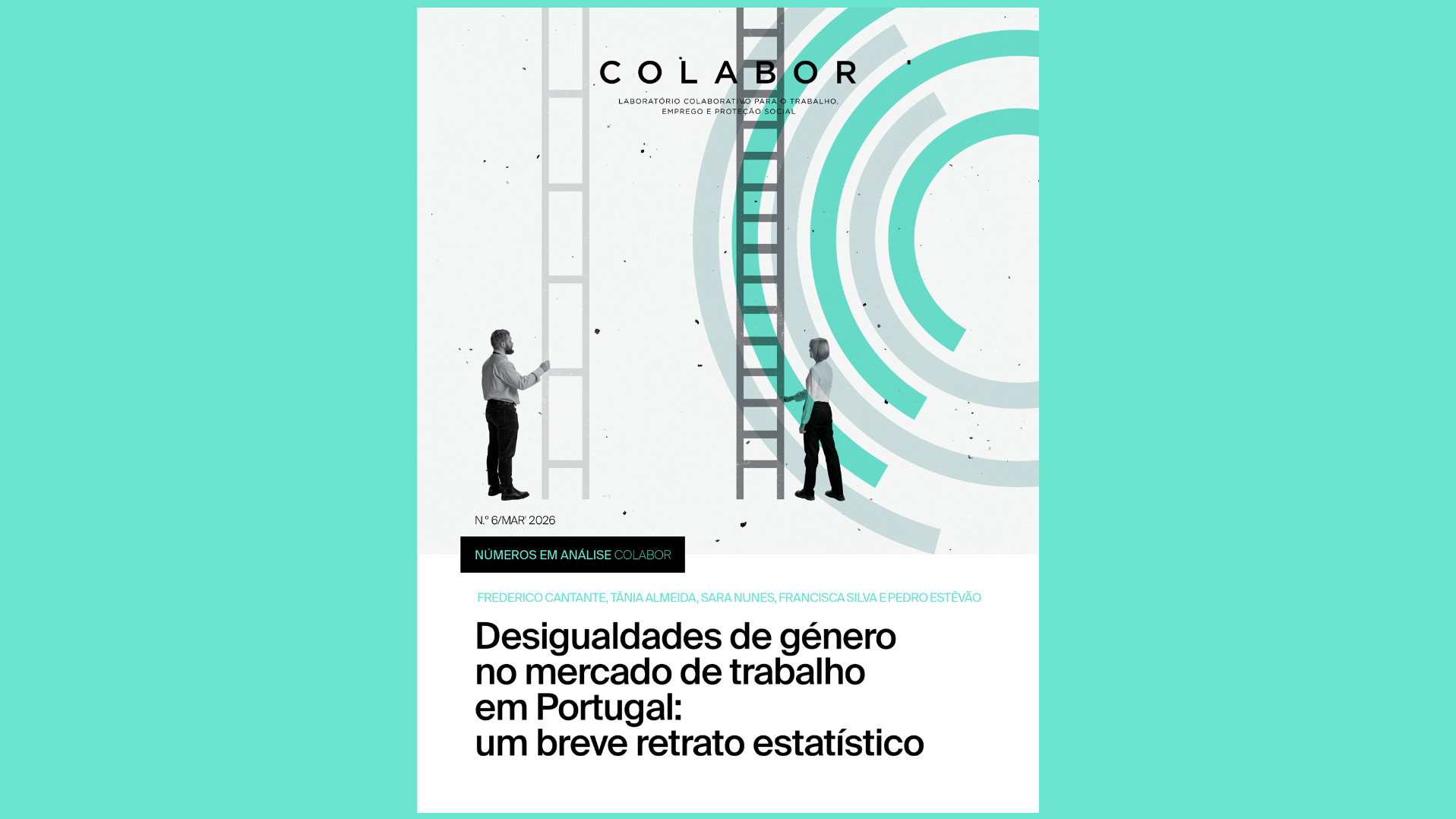
Based on data available at DataLABOR, the analysis reveals progress, but also persistent inequalities.
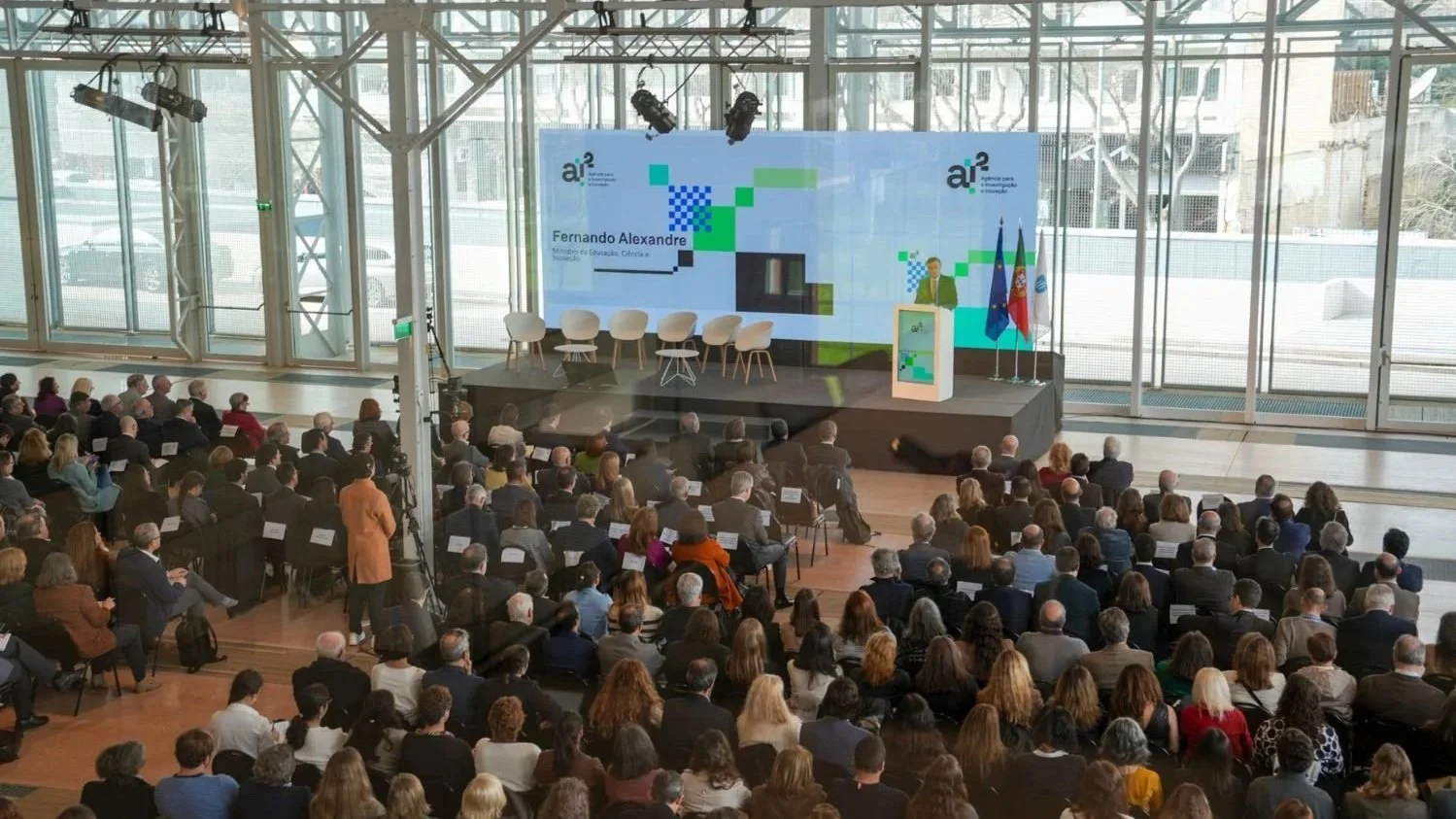
This moment marked the beginning of a series of consultation phases aimed at identifying strategic options, analyzing opportunities and risks, and supporting the development of AI²'s multi-year program contract.
FEMENA brings together a multidisciplinary team to study female entrepreneurship in Asia and Europe and will support 80 researchers through international mobility.
News
The project aims to assess the impact of vocational training, lifelong learning, and the processes of skills validation and certification on the alignment between the supply and demand for qualifications and skills, as well as on business performance.
CoLABOR is partnering with Pluriversidade Comunitária, Rede DLBC Lisboa, and LARGO Residências for this event, which highlights the participation of people directly affected by poverty and the sharing of knowledge as contributions to the development of collective responses.
The phase-out of coal in Portugal in 2021 was celebrated politically as a milestone in climate leadership.
Agenda
The project aims to assess the impact of vocational training, lifelong learning, and the processes of skills validation and certification on the alignment between the supply and demand for qualifications and skills, as well as on business performance.
CoLABOR is partnering with Pluriversidade Comunitária, Rede DLBC Lisboa, and LARGO Residências for this event, which highlights the participation of people directly affected by poverty and the sharing of knowledge as contributions to the development of collective responses.
CoLABOR mobilizes resources from academia, companies, public administration and social and solidarity economy organizations with a view to deepening knowledge of current and foreseeable problems around three axes of activity:
Work, employment and technology
Social protection
Social and solidarity economy
CoLAB Annual Report 2023
See the information released by the National Innovation Agency on Collaborative Laboratories (CoLAB) in Portugal.
Latest publications

Policy No. 13 - "Context and readings of the Decent Work Agenda - some notes" - is the result of a paper presented by Professor de Oliveira Carvalho, associate professor at the Faculty of Law of the Portuguese Catholic University, at the conference organized by CoLABOR, entitled "Decent Work: Context and Readings of the Agenda", held on November 4, 2023.
Policy No. 12 - "The Decent Work Agenda: merits and demerits of legislative changes" - is the result of a paper presented by Professor João Reis, Professor of Law at the Faculty of Law of the University of Coimbra (FDUC), at the event promoted by CoLABOR entitled "Decent Work. Context and readings of the agenda".
In addition to analyzing the main merits and demerits of the legislative changes introduced in the Decent Work Agenda (Law no. 13/2023, of April 3), this text also mentions the fact that some rules that undermine the dignity of workers have been retained in the Labor Code.
Policy 11 is dedicated to the theme "The Decent Work Agenda, the law and precariousness".
While acknowledging the relevance and usefulness of many of the changes to the Labor Code introduced by Law 13/2023 for job stability and security, it cannot be denied that the goal of decent work has not been achieved with the recent revision. This text carries out this critical analysis.

The ban on hiring outsourcing services to meet the needs of workers whose jobs have been covered by collective dismissal or job extinction, set out in the Decent Work Agenda, was included in Law no. 13/2023, of April 3, which amends the Labor Code.

CoLABOR's new study analyzes the changes in the qualifications of the Portuguese population and their impact on the labor market over the last two decades.
The study aims to assess the impact of the COVID-19 pandemic on residential facilities for the elderly (ERPI), based on an analysis of sociodemographic, territorial and organizational factors.

Between 2018 and 2021, there was rapid growth in the real value of average and median wages in Portugal, as measured in this study by the evolution of average and median gross monthly earnings and average gross monthly earnings per employee. This growth was uneven across the economic fabric, and was much more pronounced in the sectors of economic activity which, in general, have lower average salaries.

Microdata refers to databases in which the micro-unit is the central element of analysis - individuals, families or companies. This data is traditionally collected through surveys, censuses or administrative data and allows users/researchers to analyze a wide range of topics and relationships between subpopulations.
As part of International Women's Day, CoLABOR is publishing an analysis of gender inequalities in the labor market in Portugal.
This study, part of CoLABOR's editorial line "Figures in Analysis", analyzes the evolution of employment, productivity and wages in Portugal from a sectoral and comparative perspective.
This study, part of CoLABOR's editorial line "Numbers in analysis", characterizes the evolution of employment in the Public Administration sector in Portugal, particularly in Central Public Administration, between 2011 and 2022.
This text briefly explores methodological and conceptual issues surrounding the concept of poverty, analyzes its trends and promotes reflections on the phenomena of monetary poverty and material and social deprivation. In substantive terms, a diachronic and comparative analysis is made of the incidence of poverty and its threshold; the main social categories and territories with the highest incidence of poverty are identified; a simulation is promoted about the evolution of the minimum wage in the exposure to poverty of various social categories; the impacts of social transfers and two forms of social deprivation are measured; scenarios for the recent evolution of relative monetary poverty and material and social deprivation are conjectured.

With this ebook, CoLABOR intends to contribute to a demanding reflection on the Social Security welfare system and enrich it with the critical analysis of four former ministers of Labor, Solidarity and Social Security and the current Minister responsible for the portfolio.

Videos


O Trabalho Digno: Contexto e Leituras da Agenda (Decent Work: Context and Readings of the Agenda), an event that featured prominent personalities from Academia and Law and the participation of the Minister of Labor, Solidarity and Social Security, Ana Mendes Godinho.